




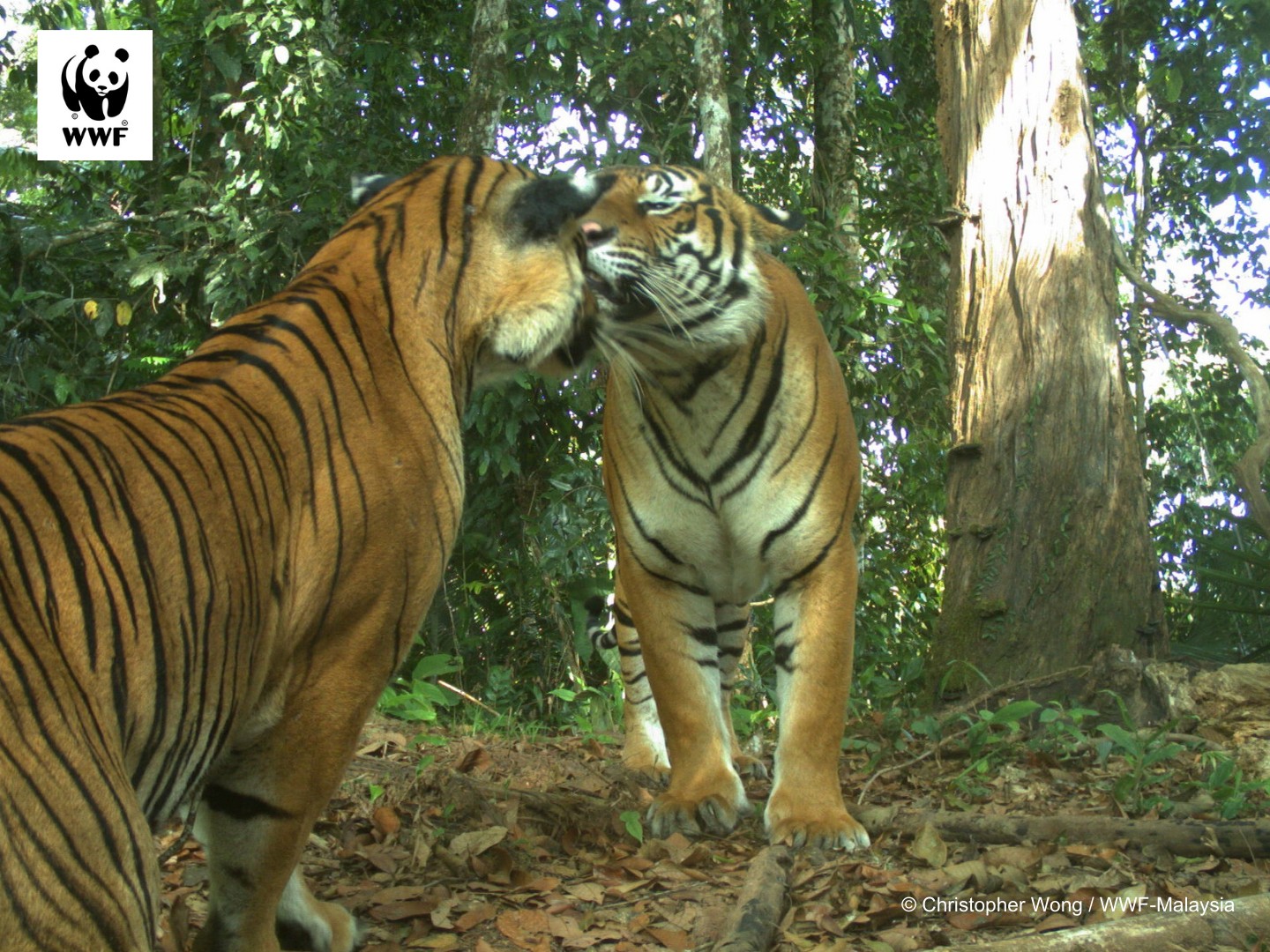
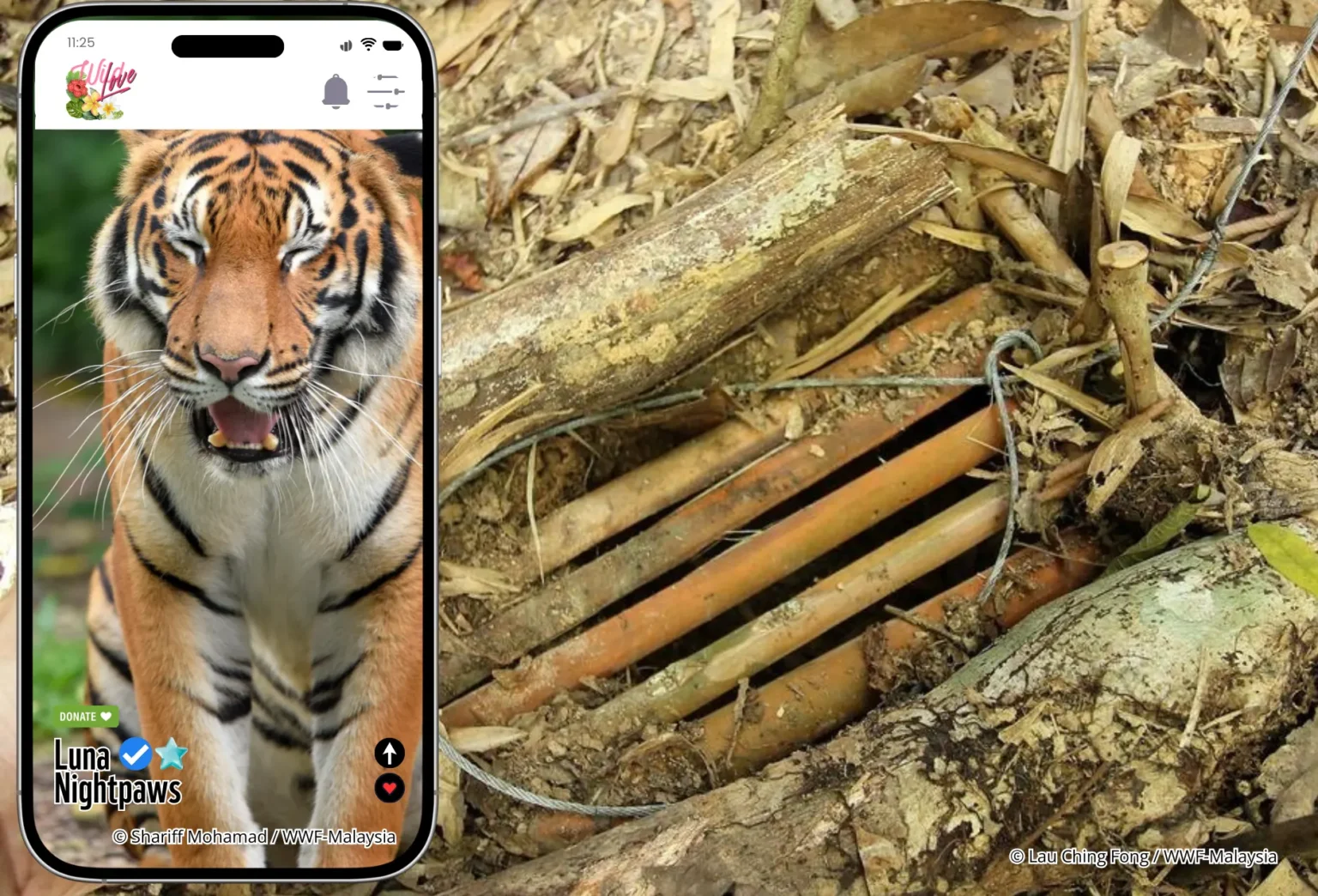
Malayan Tiger
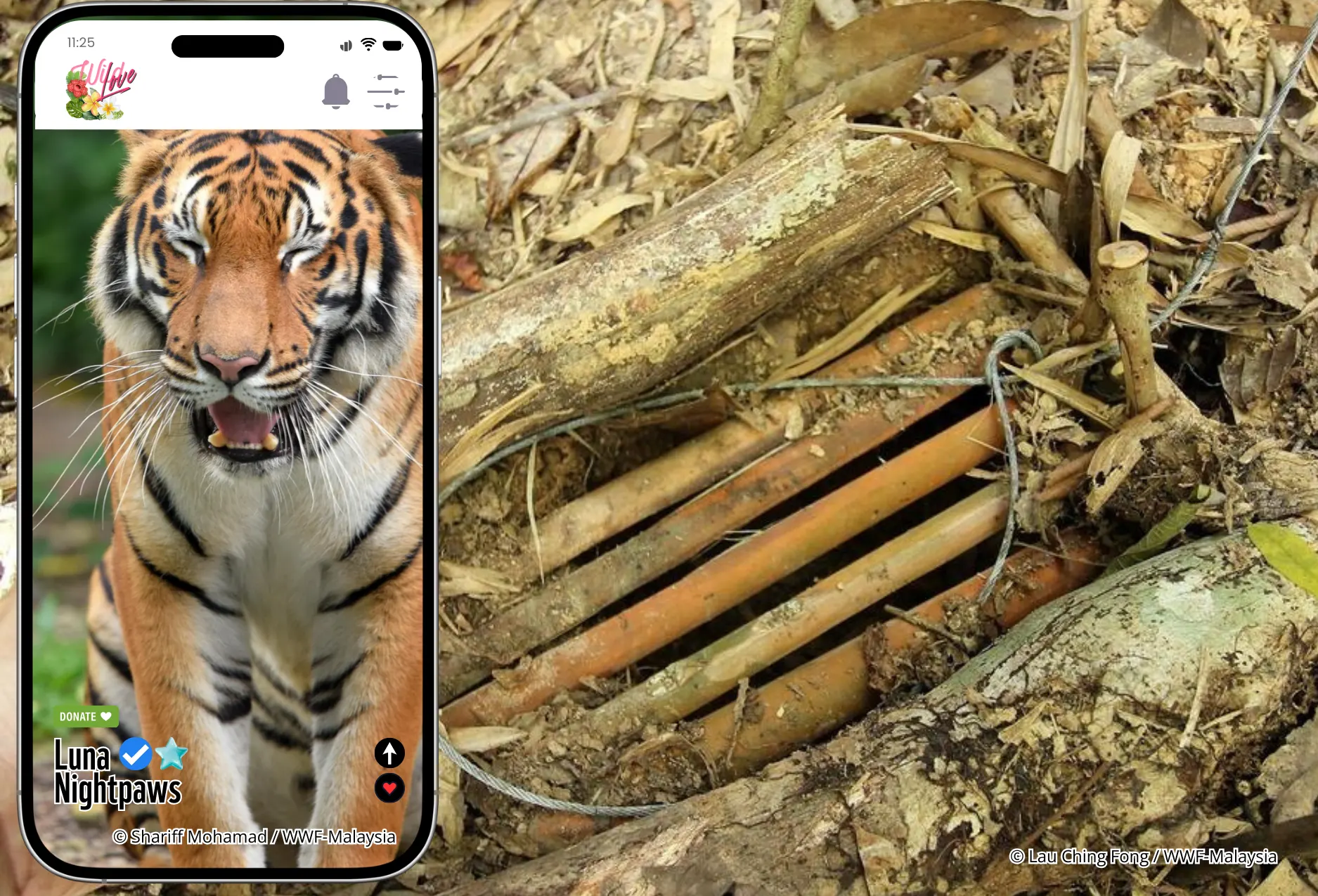
Luna Nightpaws
📍 Reigning solo in the rainforests of Malaysia
Height: Tall, toned, tiger-fine
Weight: All muscle, no nonsense
About Me:I’m the last of a legendary bloodline—graceful, powerful, and 100% unbothered. I don’t roar for attention, I command it. I live off the grid, vibe solo, and protect my territory like a boss. Only ~150 of us left, so yes, I’m extremely rare.
Looking For: Someone who respects strong tigress, supports tiger conservation, and doesn’t flinch when the queen walks in. No drama. Just raw beauty and legacy energy.
Fun Fact:I’m a total water baby—swimming is my therapy.
🧡 Swipe right if you’re ready for claws, confidence, and conservation.
📍 Reigning solo in the rainforests of Malaysia
Height: Tall, toned, tiger-fine
Weight: All muscle, no nonsense
About Me:I’m the last of a legendary bloodline—graceful, powerful, and 100% unbothered. I don’t roar for attention, I command it. I live off the grid, vibe solo, and protect my territory like a boss. Only ~150 of us left, so yes, I’m extremely rare.
Looking For: Someone who respects strong tigress, supports tiger conservation, and doesn’t flinch when the queen walks in. No drama. Just raw beauty and legacy energy.
Fun Fact:I’m a total water baby—swimming is my therapy.
🧡 Swipe right if you’re ready for claws, confidence, and conservation.
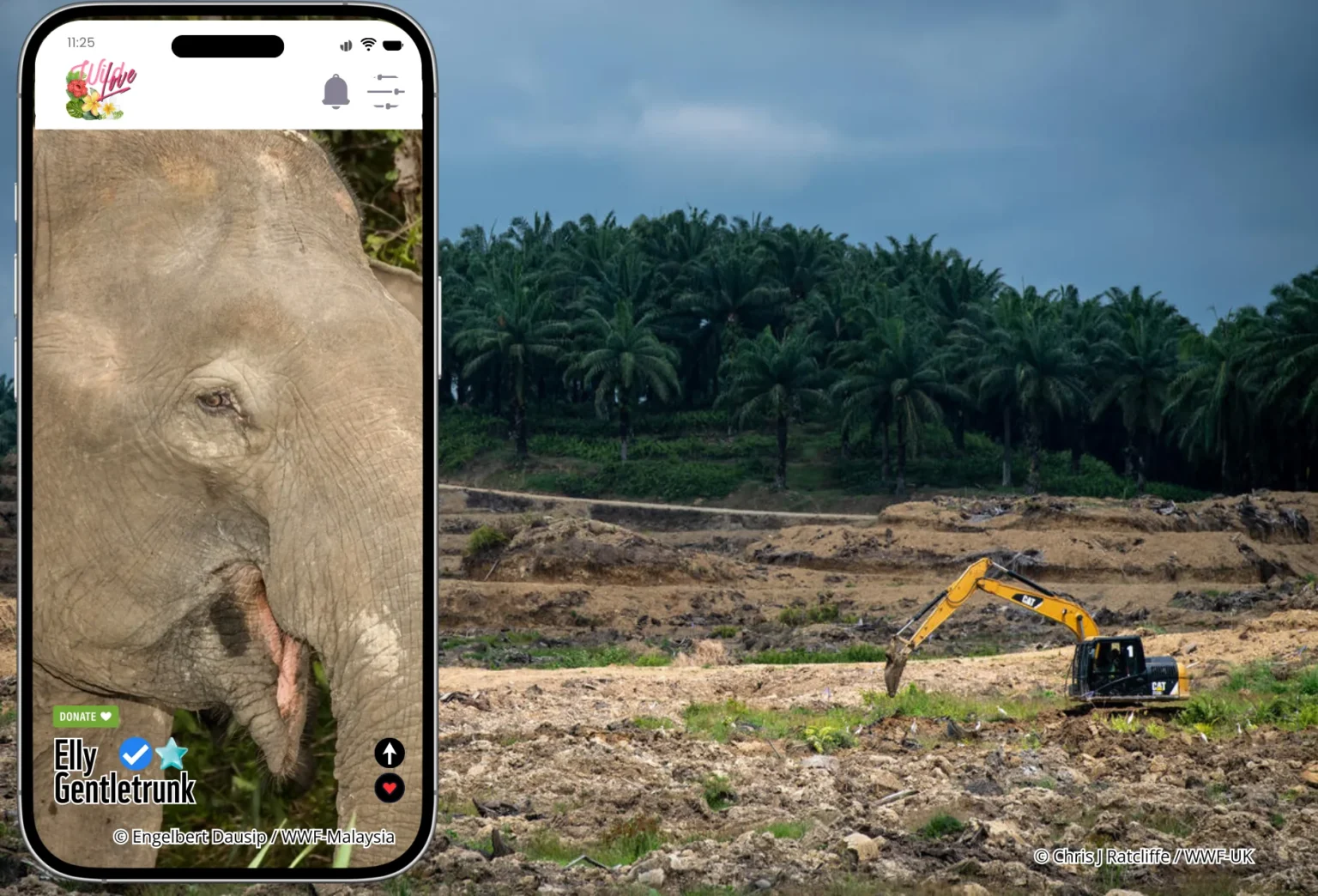
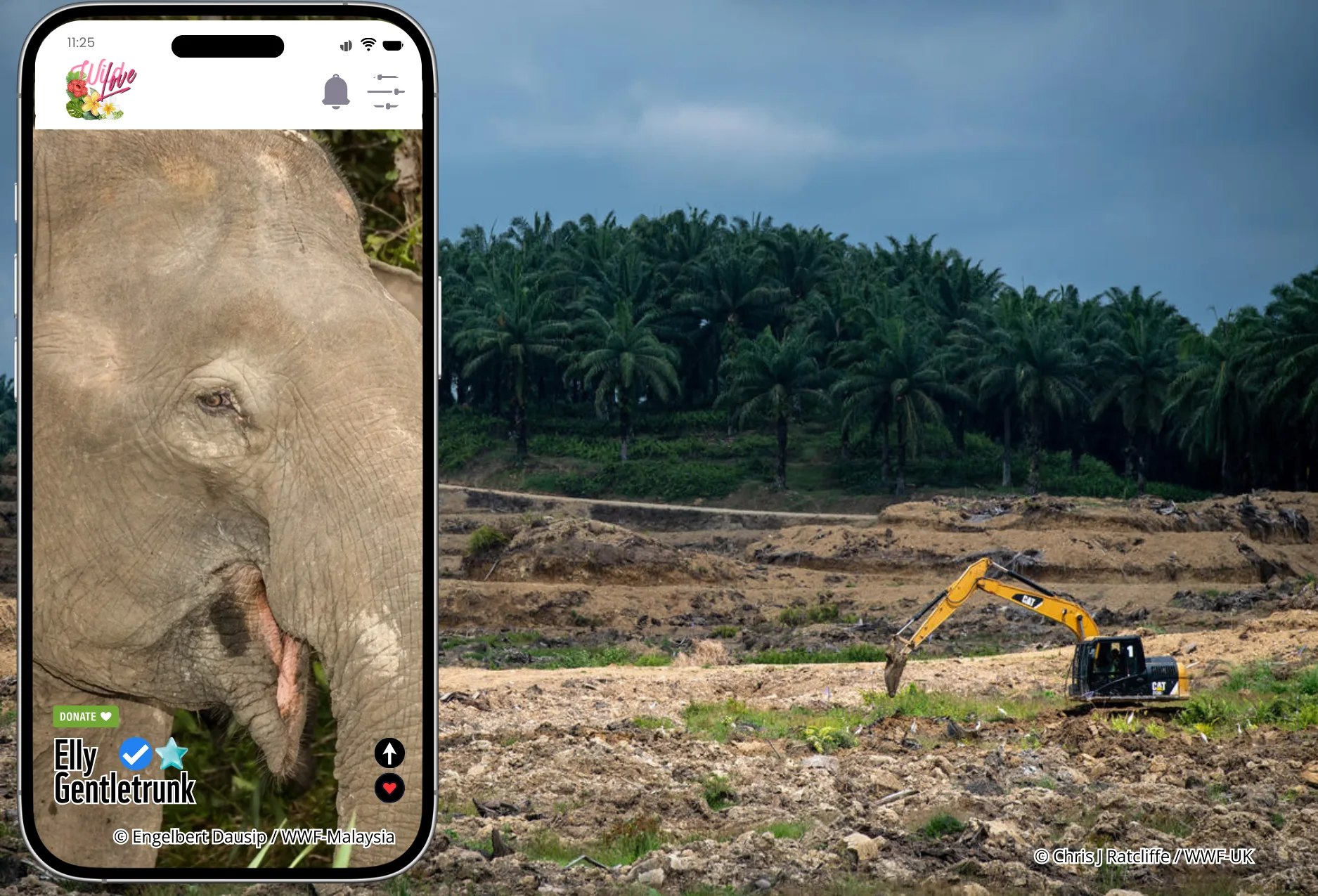
Bornean Elephant
Elly Gentletrunk -Gracefully growing
📍Borneo’s rainforest runway
Height: Petite by elephant standards, but still a showstopper
Weight: Built to carry big love
About Me: I’m the soft-spoken sweetheart of the jungle. I roll deep with my herd, love a good mud spa, and believe in slow living and strong bonds. I’m all about empathy, loyalty, and keeping the forest full of good vibes.
Looking For: Someone who values kindness, loves long nature walks, and won’t ghost during reforestation efforts. Bonus points if you respect my boundaries—and my habitat.
Fun Fact: I have a secret language made of low rumbles that humans can’t hear—emotional depth, much?
💗 Swipe right if you’re into big hearts, forest healing, and soft power.
📍Borneo’s rainforest runway
Height: Petite by elephant standards, but still a showstopper
Weight: Built to carry big love
About Me: I’m the soft-spoken sweetheart of the jungle. I roll deep with my herd, love a good mud spa, and believe in slow living and strong bonds. I’m all about empathy, loyalty, and keeping the forest full of good vibes.
Looking For: Someone who values kindness, loves long nature walks, and won’t ghost during reforestation efforts. Bonus points if you respect my boundaries—and my habitat.
Fun Fact: I have a secret language made of low rumbles that humans can’t hear—emotional depth, much?
💗 Swipe right if you’re into big hearts, forest healing, and soft power.
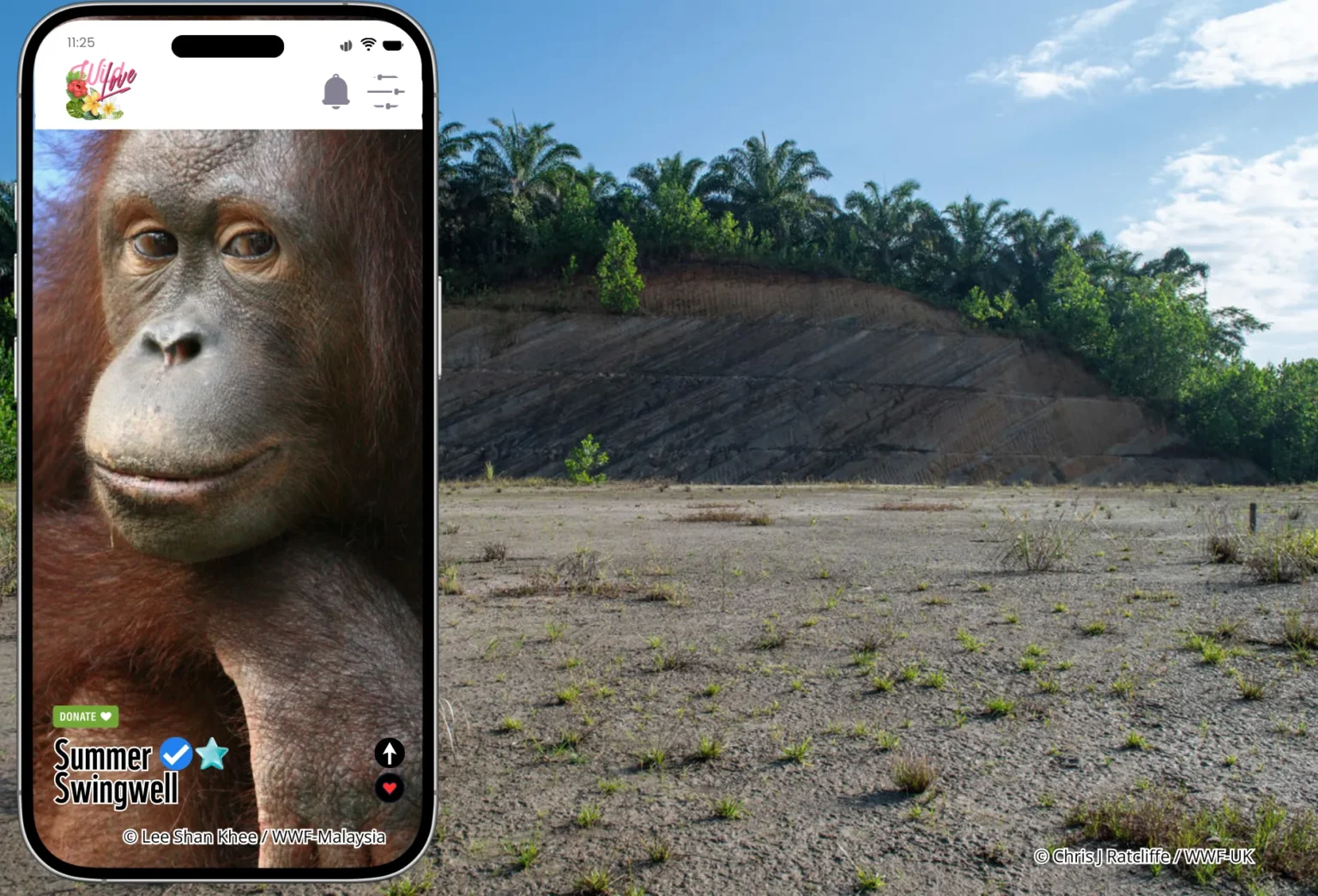
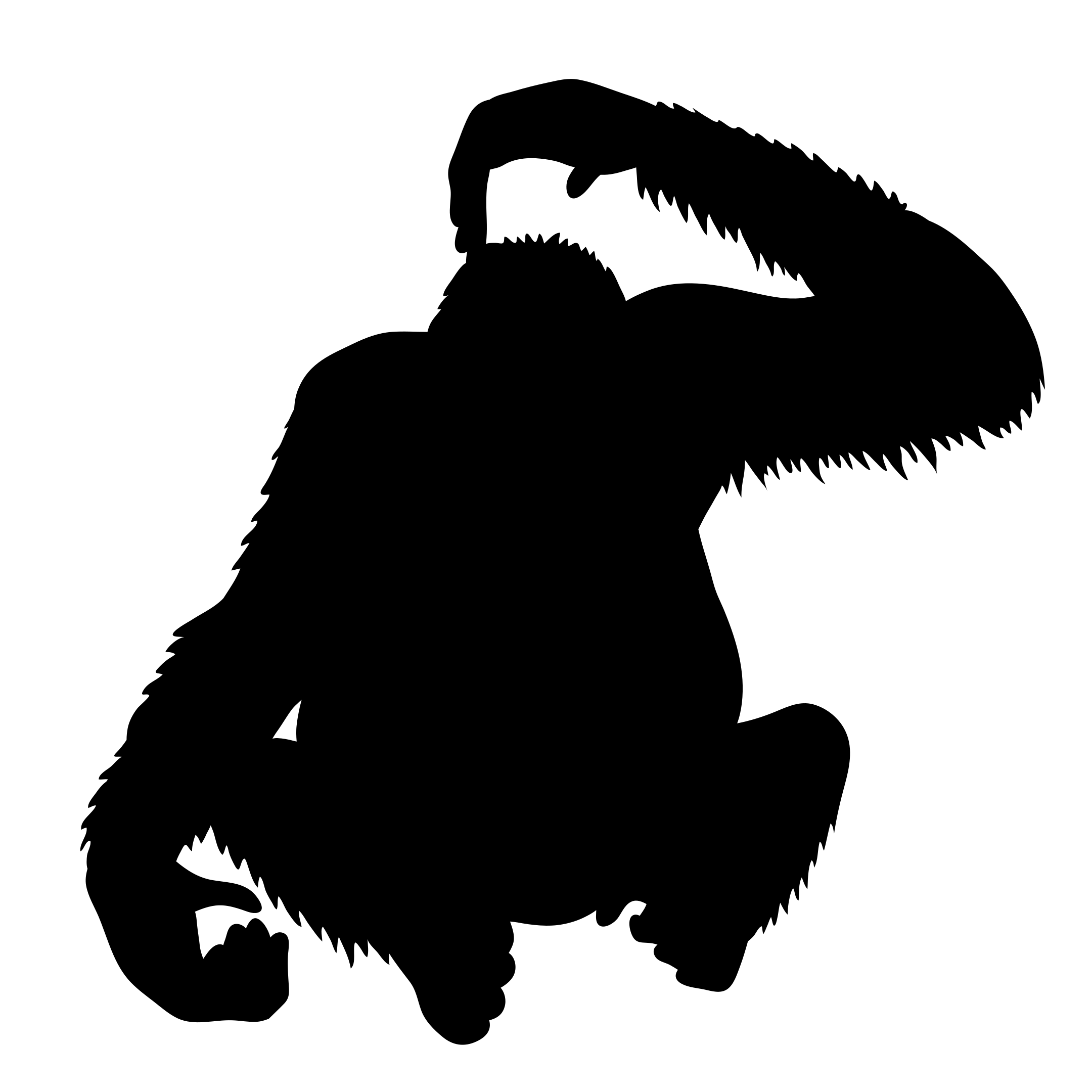
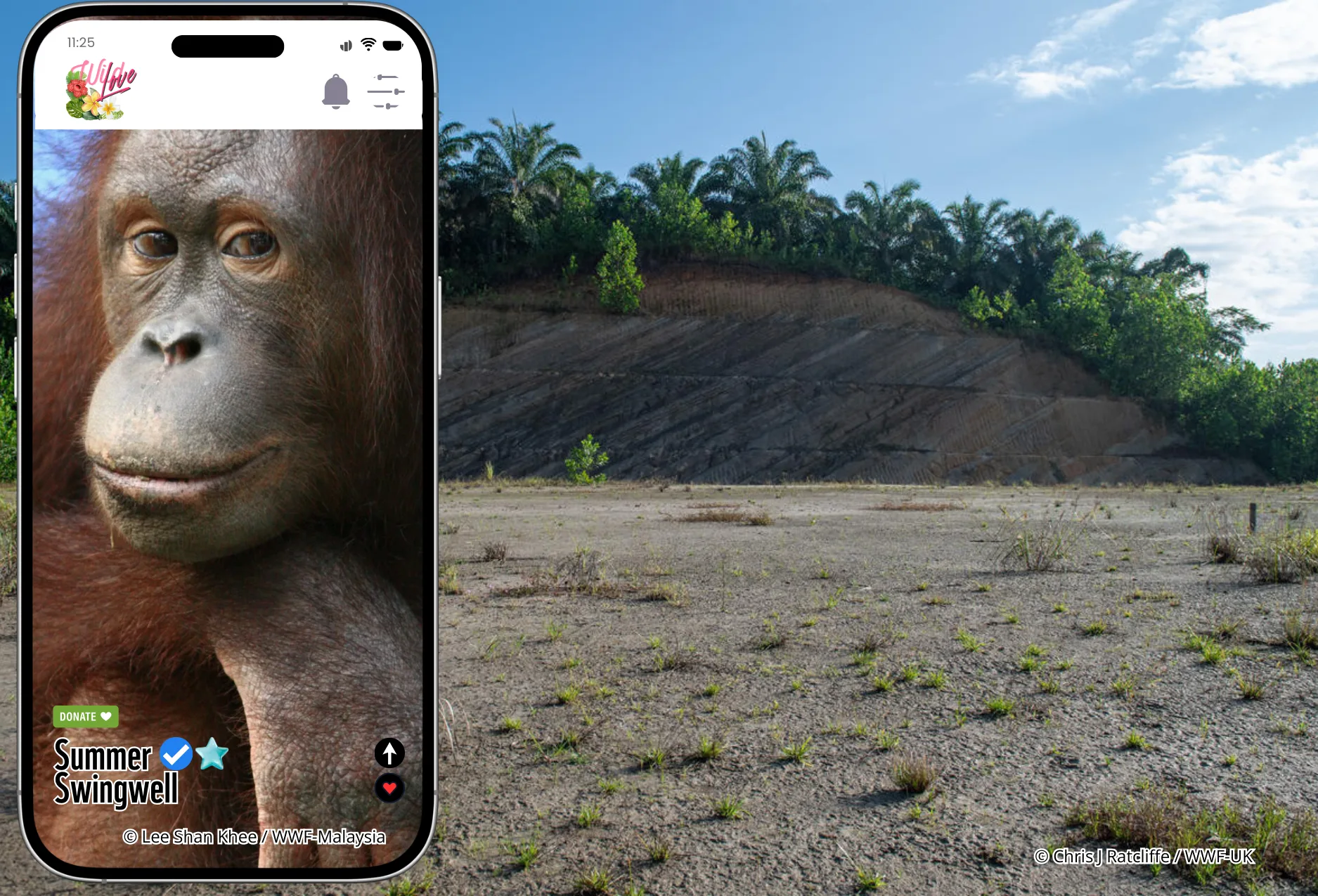
Bornean Orangutan
Summer Swingwell
📍High in the canopies of Borneo
Height: Compact and resourceful
Weight: Strong enough to swing solo
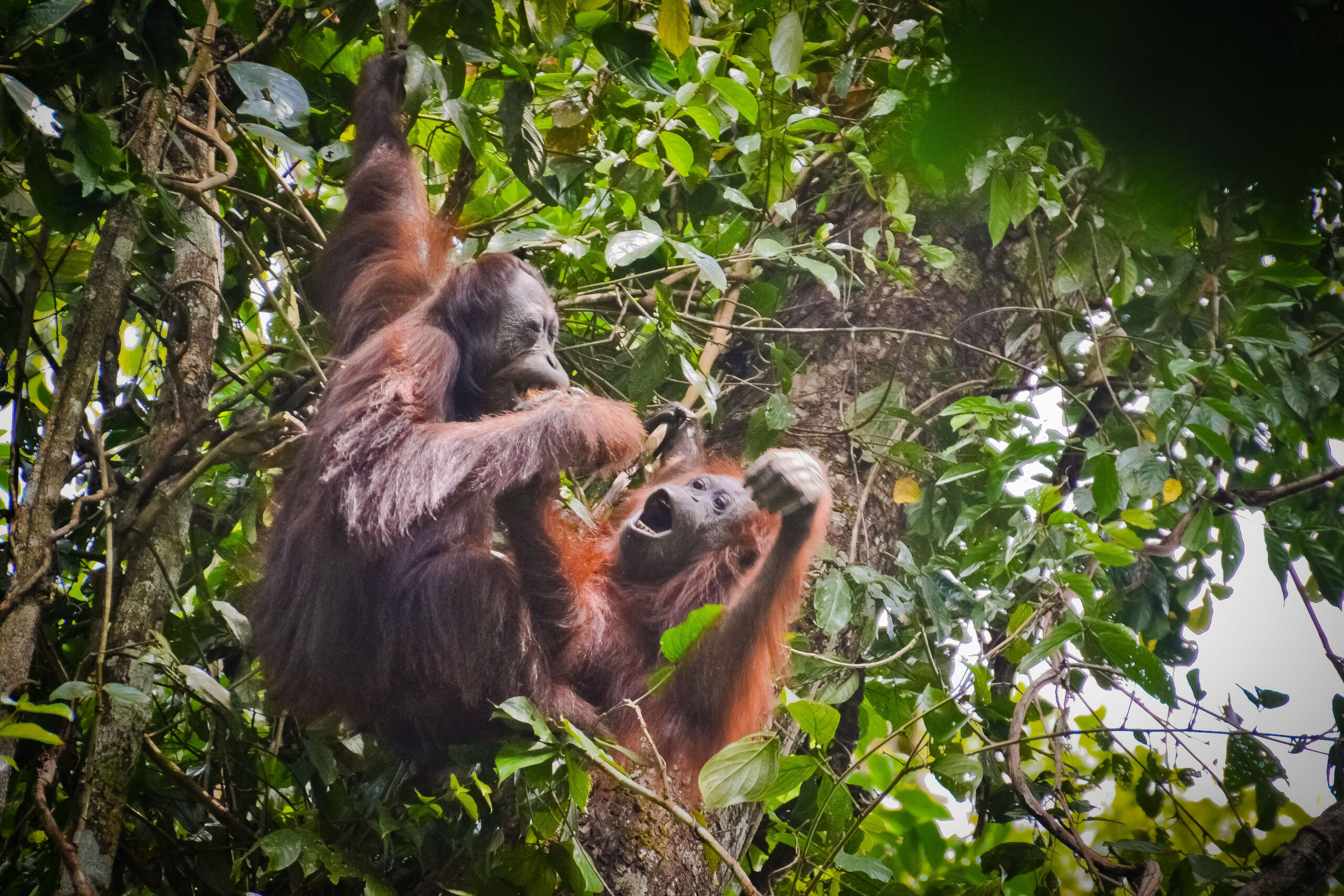
About Me: I’m the eco-girlboss of the treetops—problem solver, tool-maker, and fruit connoisseur. I live a slow, intentional life and mind my business (unless deforestation’s involved, then we have a problem). I’m 97% like you but 100% more chill.
Looking For: Someone who gets that alone time is sacred, hammocks are healing, and forests are not for sale.
Fun Fact: I build a new leafy nest every night. Call it self-care meets jungle engineering.
🍃 Swipe right if you’re into canopy cuddles and low-key brilliance.
📍High in the canopies of Borneo
Height: Compact and resourceful
Weight: Strong enough to swing solo
About Me: I’m the eco-girlboss of the treetops—problem solver, tool-maker, and fruit connoisseur. I live a slow, intentional life and mind my business (unless deforestation’s involved, then we have a problem). I’m 97% like you but 100% more chill.
Looking For: Someone who gets that alone time is sacred, hammocks are healing, and forests are not for sale.
Fun Fact: I build a new leafy nest every night. Call it self-care meets jungle engineering.
🍃 Swipe right if you’re into canopy cuddles and low-key brilliance.
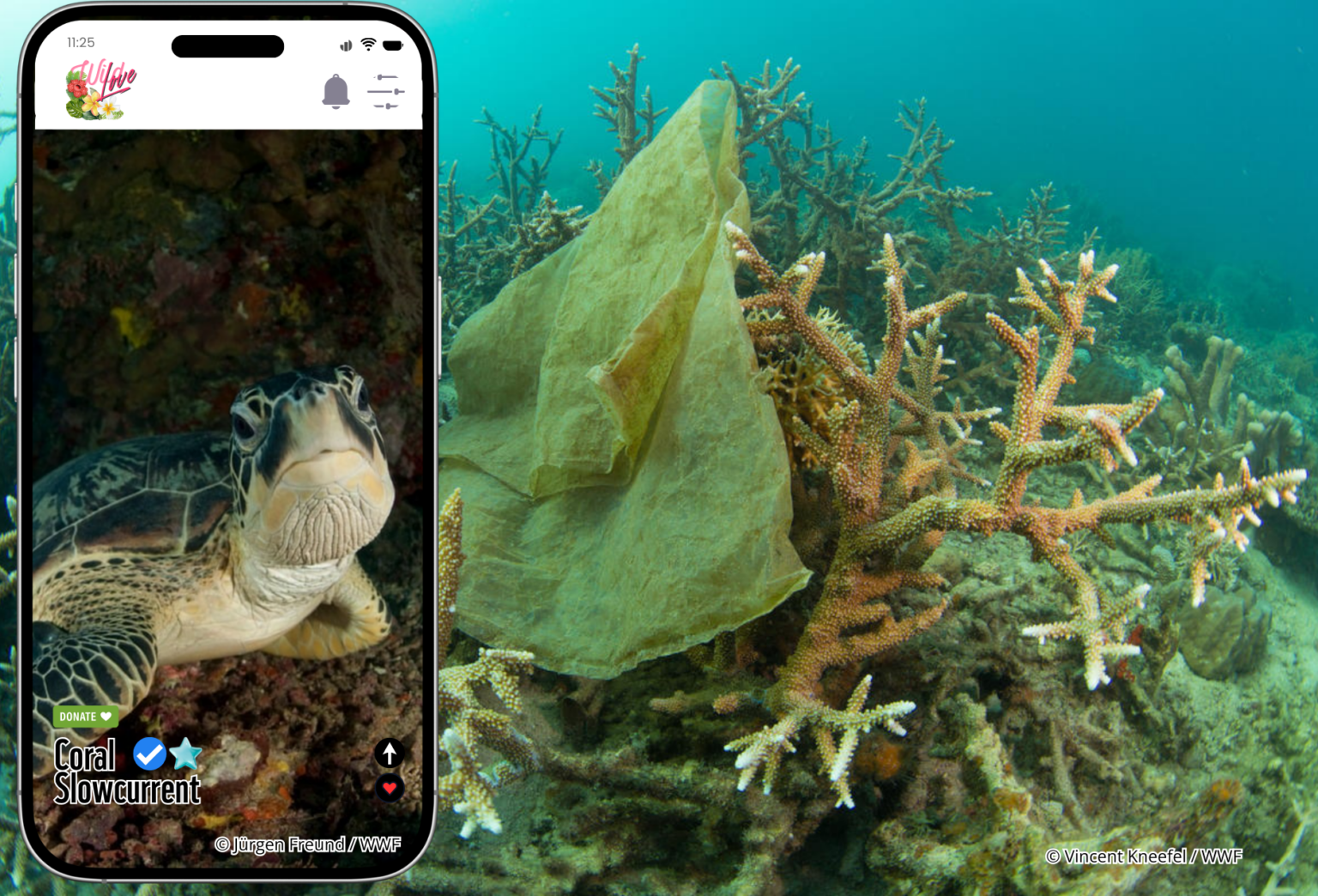
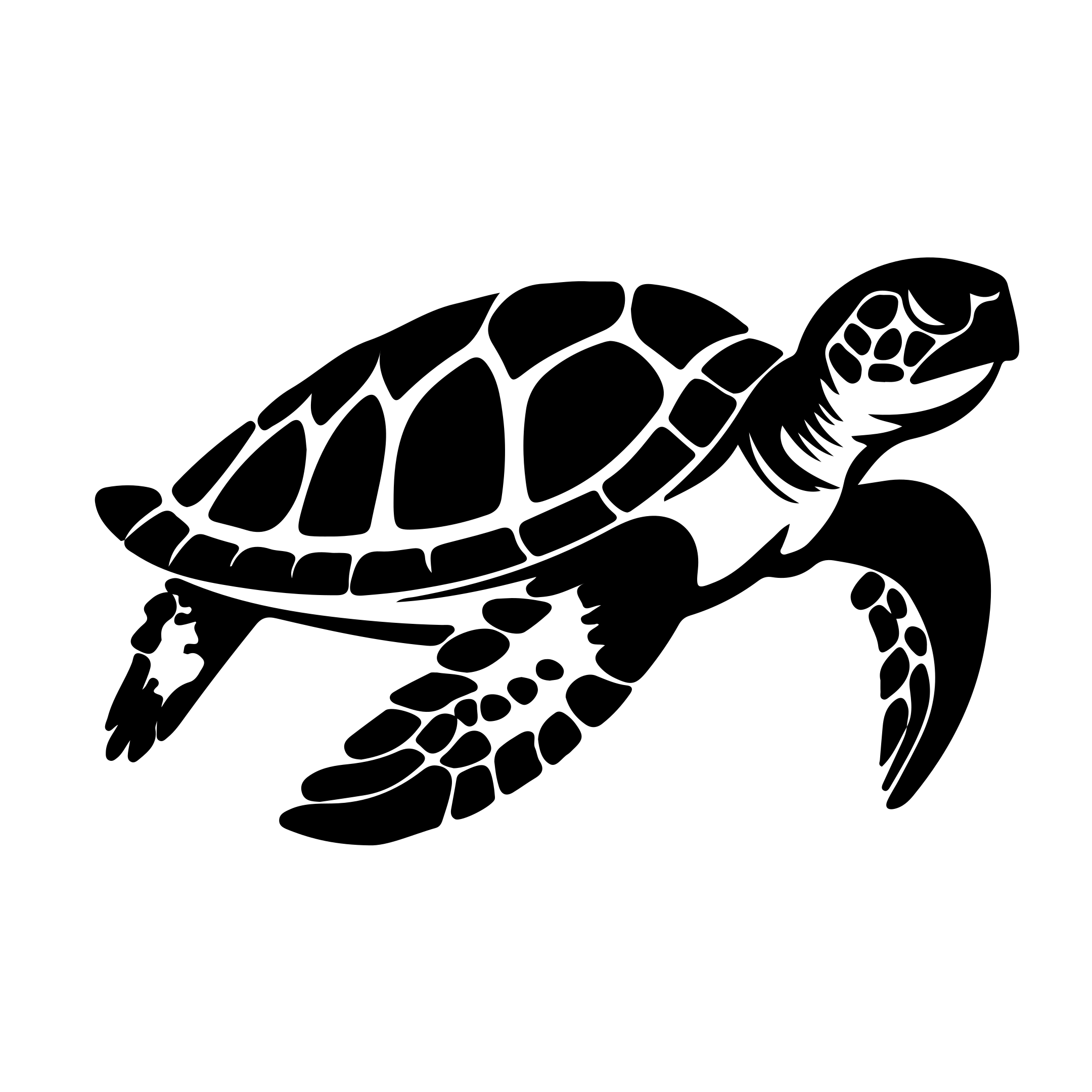
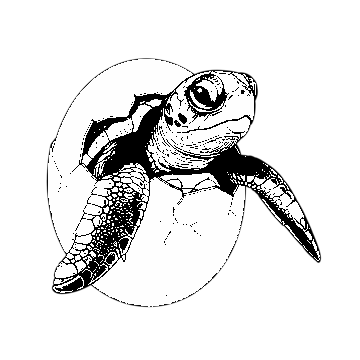
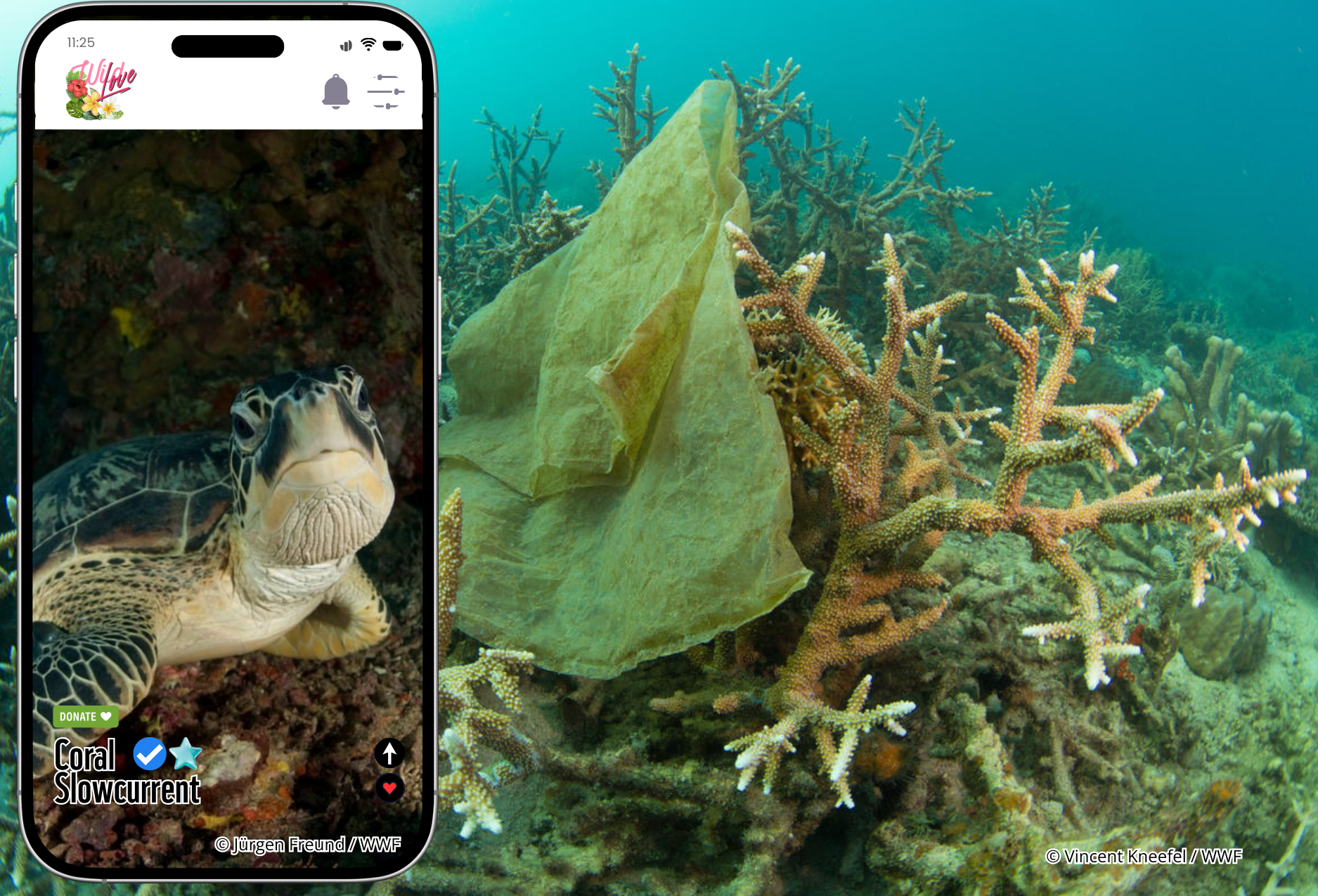
Green Sea Turtle
Coral Slowcurrent
📍Soaking in tropical seas, born to beach
Height: Petite but powerful
Weight: Shell-thicc
About Me:
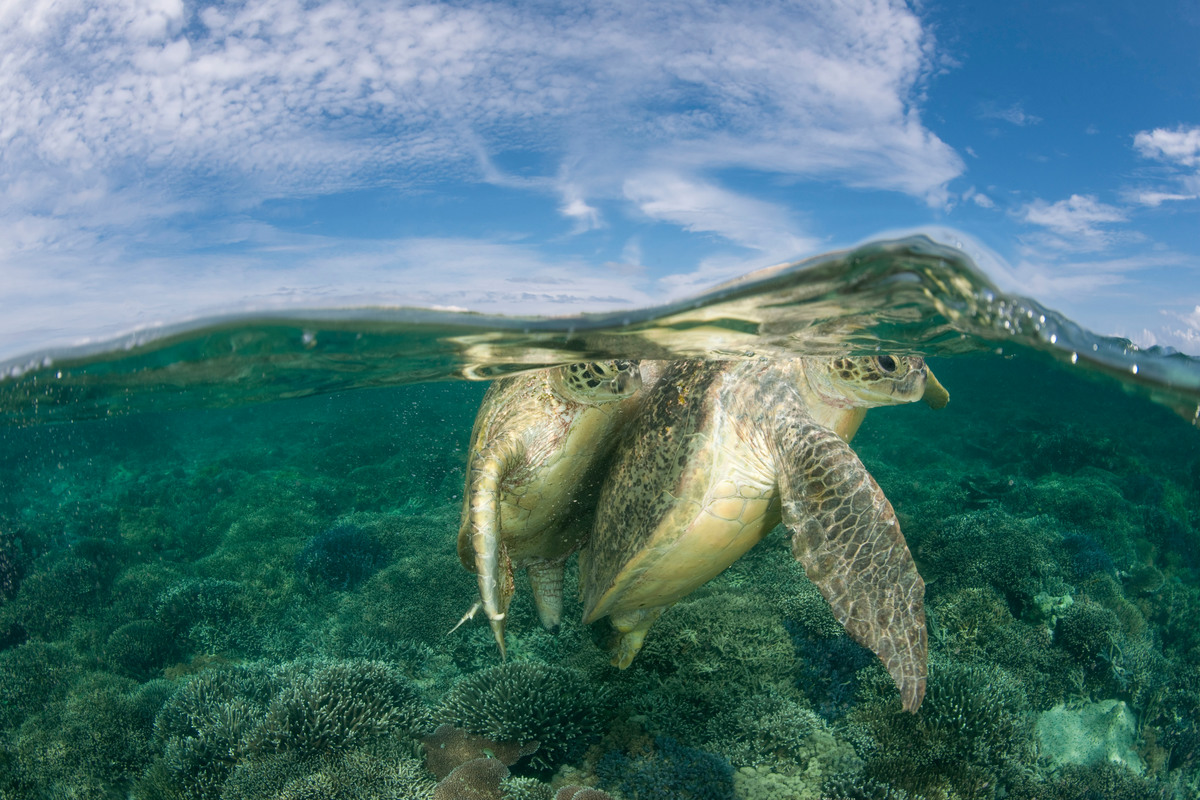
I live life in slow-mo and still get everything done. Whether I’m grazing on seaweed or crossing oceans like a boss, I bring ancient wisdom and coastal grandma vibes.
Looking For: Someone who respects the long game. Bonus if you support nesting beaches, hate plastic, and love chill sunsets..
Fun Fact: I return to the exact beach I was born on to lay eggs. Yes, I have emotional GPS.
🌿 Swipe right if you’re into loyalty, seaweed snacks, and saltwater soulmates.
📍Soaking in tropical seas, born to beach
Height: Petite but powerful
Weight: Shell-thicc
About Me:
I live life in slow-mo and still get everything done. Whether I’m grazing on seaweed or crossing oceans like a boss, I bring ancient wisdom and coastal grandma vibes.
Looking For: Someone who respects the long game. Bonus if you support nesting beaches, hate plastic, and love chill sunsets..
Fun Fact: I return to the exact beach I was born on to lay eggs. Yes, I have emotional GPS.
🌿 Swipe right if you’re into loyalty, seaweed snacks, and saltwater soulmates.
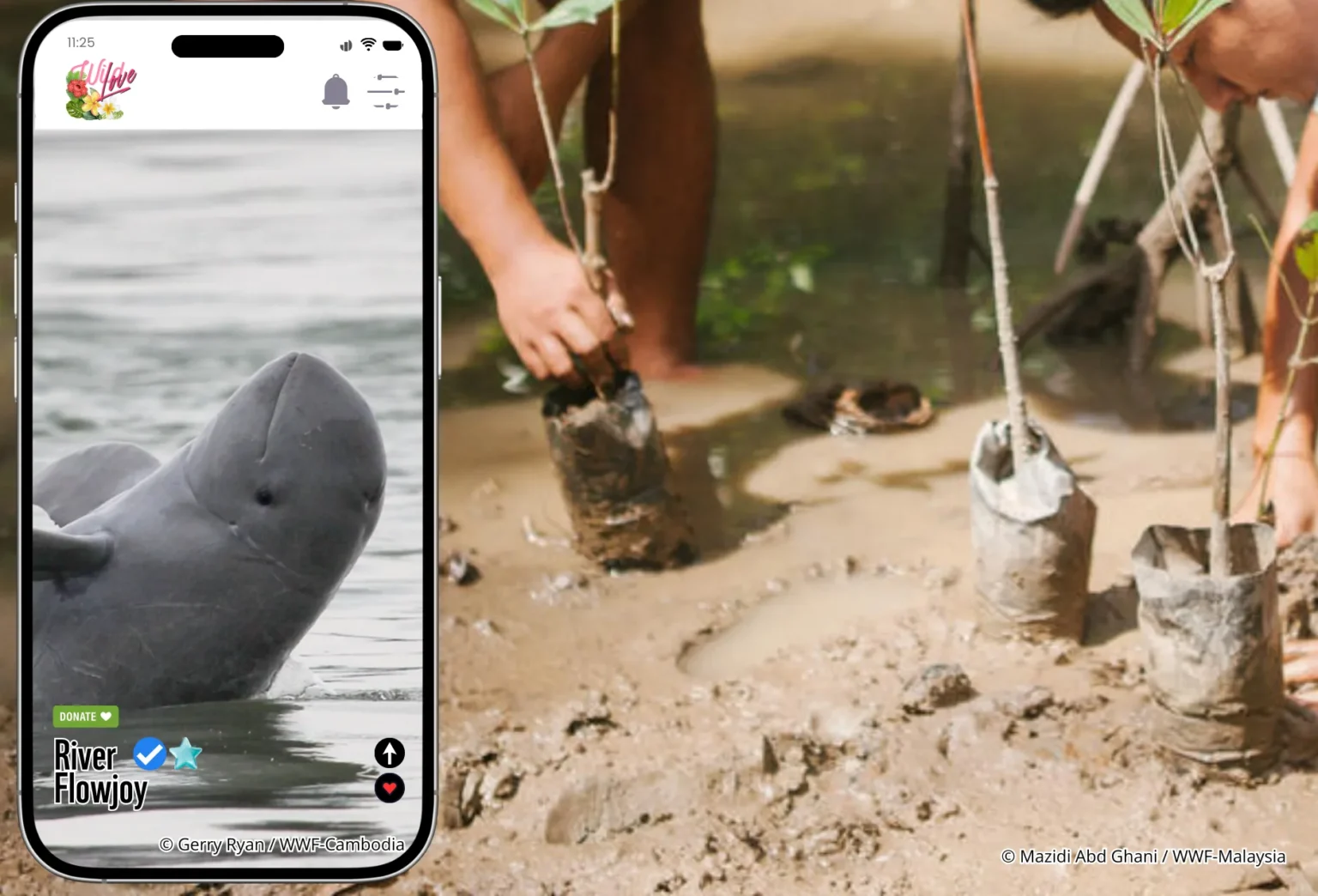
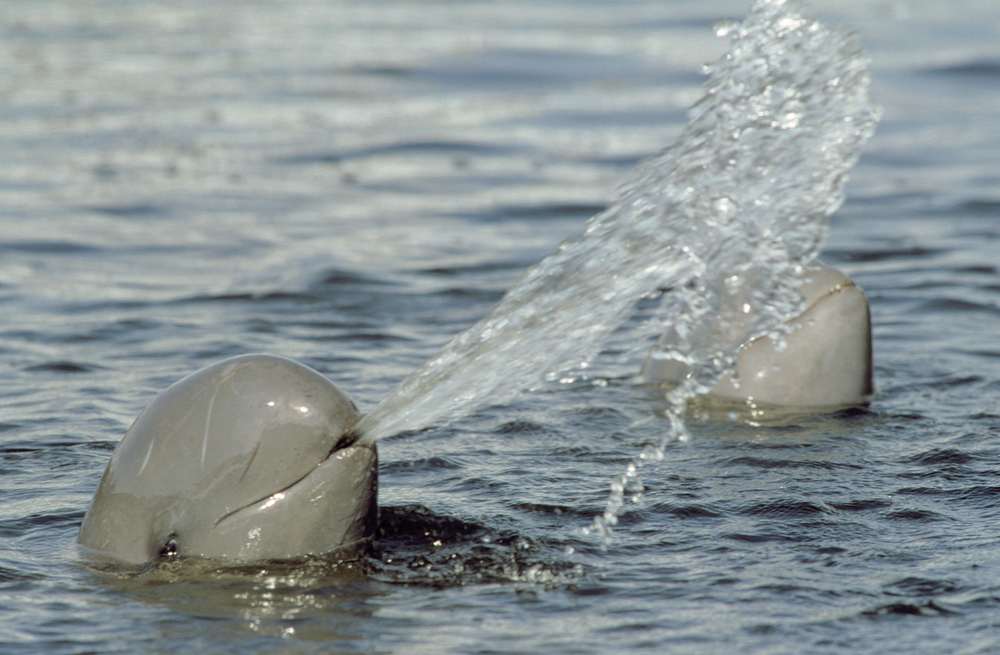
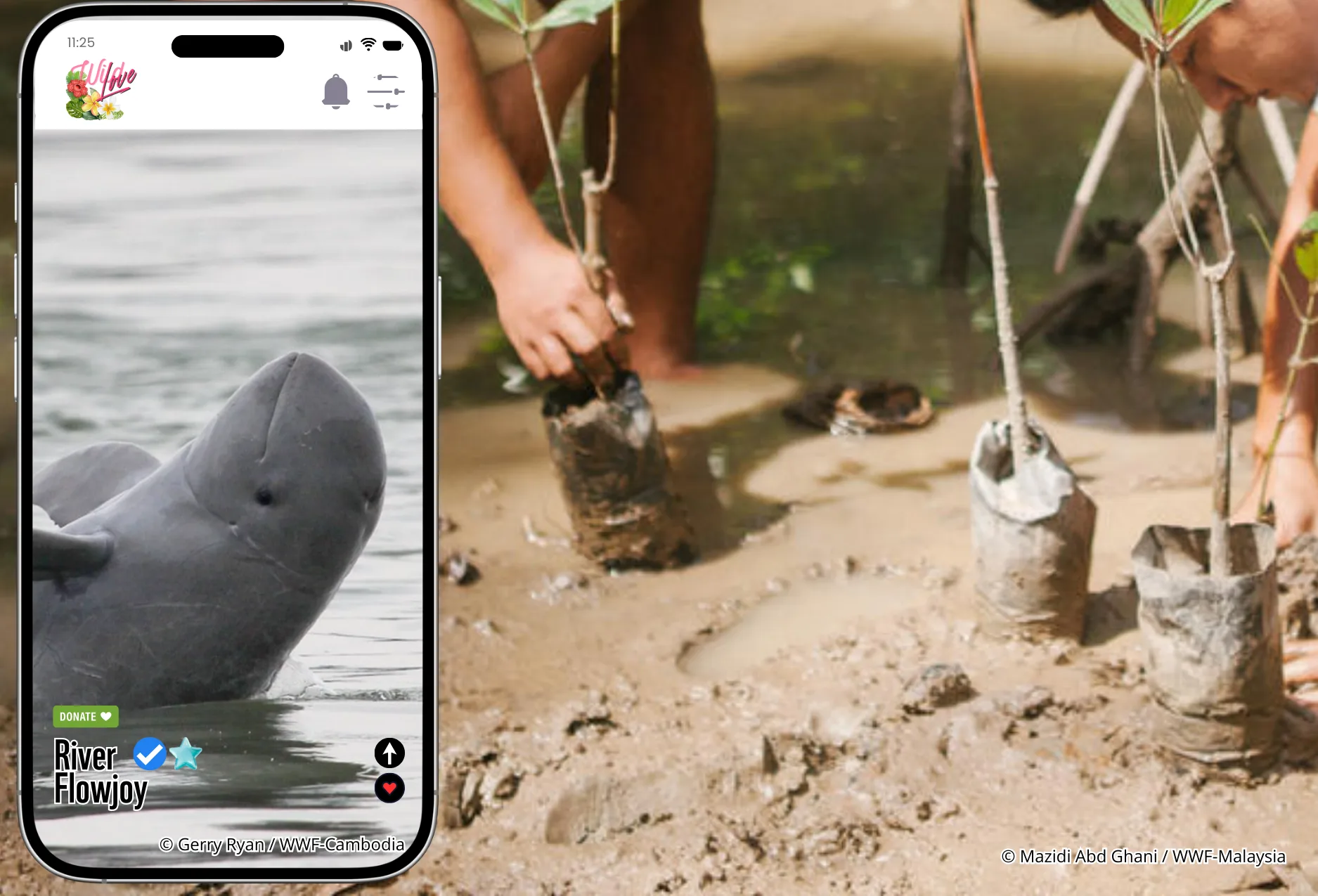
Irrawaddy Dolphin
River Flowjoy
📍Floating through rivers and coastlines like a dream
Height: Fun-sized with a bubbly spirit
Weight: Thick fins, thick heart
About Me:
I’m the cute, round-headed girl next door of the river world. Quiet charm, zero drama, and fluent in sonar. I keep my circle small but loyal—and if you’re lucky, I’ll blow you a bubble ring or two.
Looking For: Someone who’s into mindful moments, protecting rivers, and cuddling in calm waters. If you’re pro-clean water, we’re already vibing.
Fun Fact: I’m lowkey introverted but have elite sonar that could find your energy from miles away.
💧Swipe right if you’re ready for a sweet splash and soft girl era energy.
📍Floating through rivers and coastlines like a dream
Height: Fun-sized with a bubbly spirit
Weight: Thick fins, thick heart
About Me:
I’m the cute, round-headed girl next door of the river world. Quiet charm, zero drama, and fluent in sonar. I keep my circle small but loyal—and if you’re lucky, I’ll blow you a bubble ring or two.
Looking For: Someone who’s into mindful moments, protecting rivers, and cuddling in calm waters. If you’re pro-clean water, we’re already vibing.
Fun Fact: I’m lowkey introverted but have elite sonar that could find your energy from miles away.
💧Swipe right if you’re ready for a sweet splash and soft girl era energy.
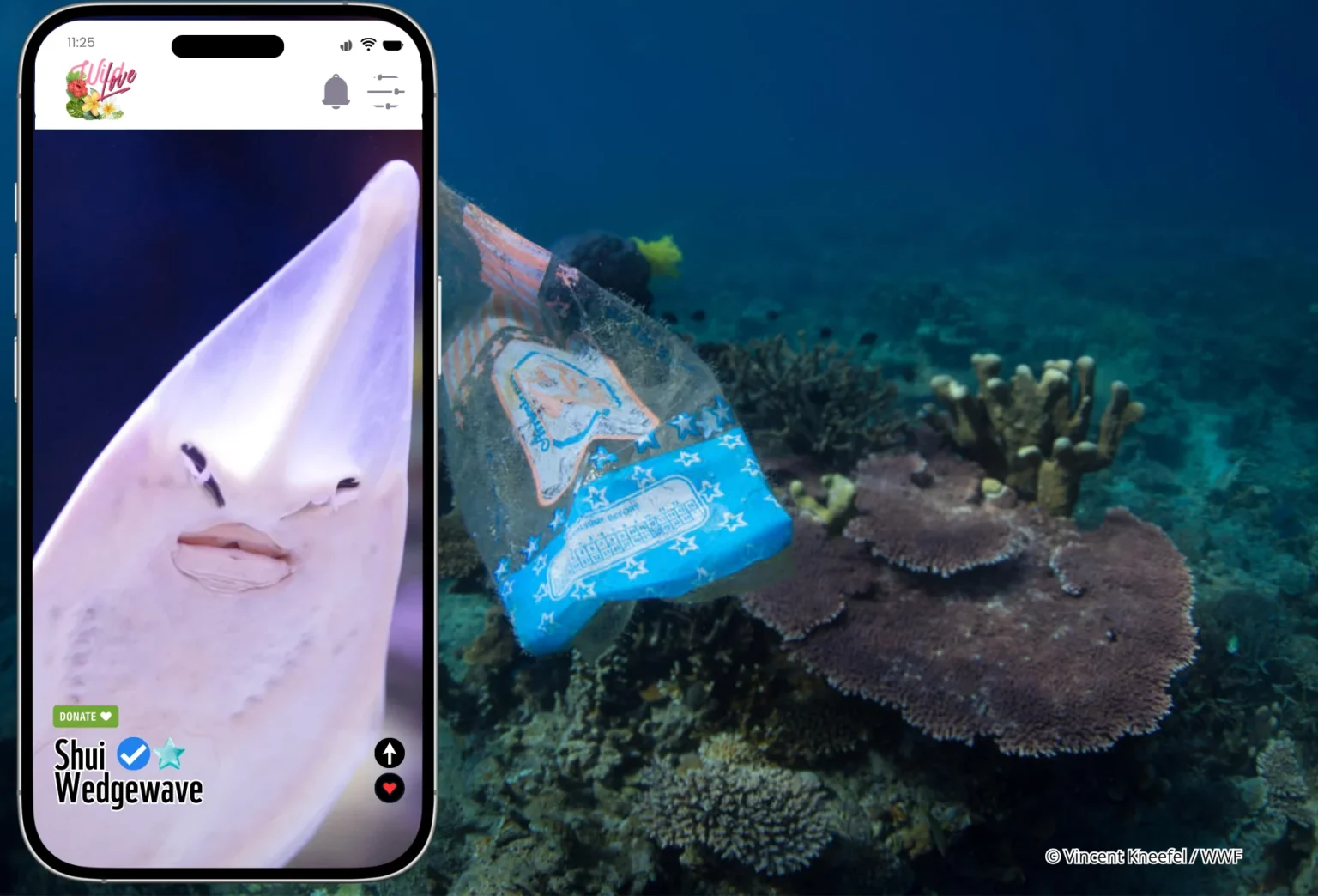
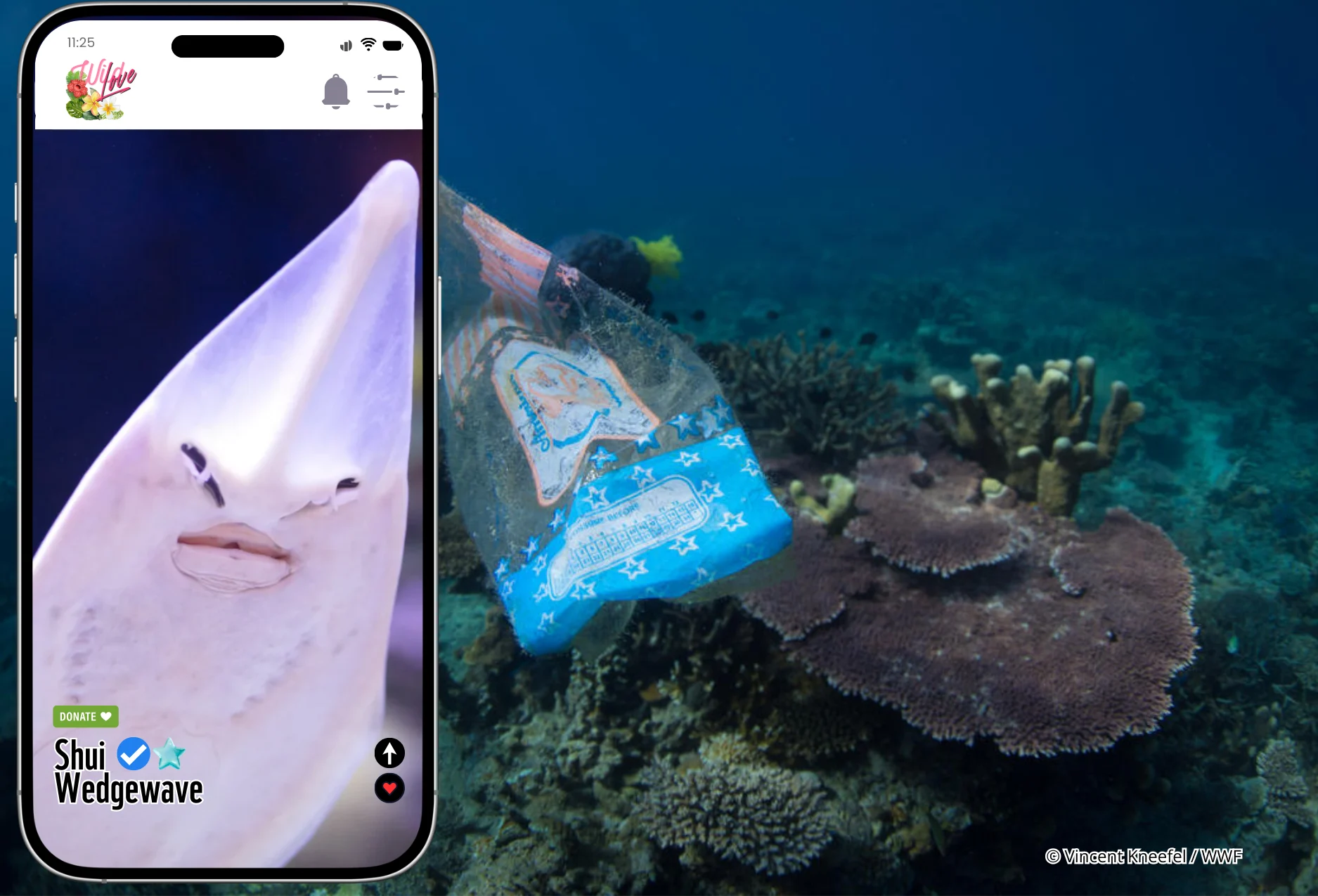
Bottlenose Wedgefish
Shui Wedgewave
📍Coastal shallows, sandy seabeds & warm tropical waters
Height: Sleek, streamlined, and photo-ready
Weight: Light on drama, heavy on elegance
About Me: People always say I look like a shark, but plot twist—I’m actually a ray. I’m the quiet, mysterious girl who stays close to the seabed, gliding like a secret. I don’t do chaos, I do calm. But I am critically endangered, which makes finding a match… kinda hard when your whole species is getting wiped out by overfishing.
Looking For: Someone who respects the quiet ones and wants to keep my kind around for the future. If you’re into protecting marine life and helping endangered species actually meet and thrive—hi, it’s you.
Fun Fact: I’m in the ray family, even though I look sharky. Beauty and identity complexity.
Swipe right to help keep rare girls like me in the ocean. 💙
📍Coastal shallows, sandy seabeds & warm tropical waters
Height: Sleek, streamlined, and photo-ready
Weight: Light on drama, heavy on elegance
About Me: People always say I look like a shark, but plot twist—I’m actually a ray. I’m the quiet, mysterious girl who stays close to the seabed, gliding like a secret. I don’t do chaos, I do calm. But I am critically endangered, which makes finding a match… kinda hard when your whole species is getting wiped out by overfishing.
Looking For: Someone who respects the quiet ones and wants to keep my kind around for the future. If you’re into protecting marine life and helping endangered species actually meet and thrive—hi, it’s you.
Fun Fact: I’m in the ray family, even though I look sharky. Beauty and identity complexity.
Swipe right to help keep rare girls like me in the ocean. 💙